Why High-Voltage Electrical System Control Is Essential

Nick Lane
Why High-Voltage Electrical System Control Is Essential
9:18
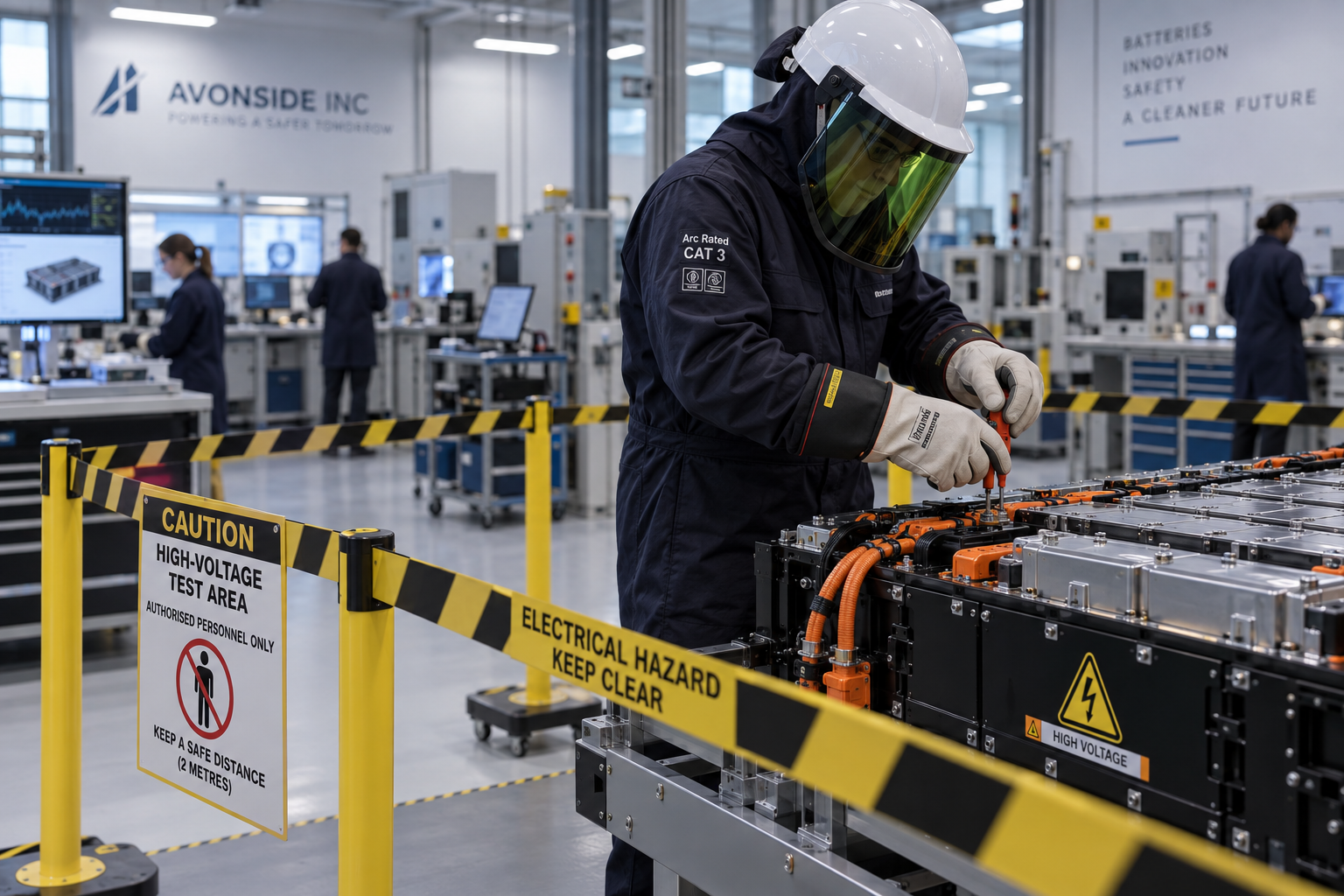
Electrical systems are essential to modern industry, but they also present some of the most serious hazards found in the workplace. Where employees are exposed to high voltage, hazardous electrical energy, battery systems, switchgear, electric vehicles or energized conductors, effective control is critical.
A robust Electrical Safety Management System helps employers reduce the risk of electric shock, arc flash, burns, unexpected energization, stored electrical energy and other serious incidents.
For organizations operating in the United States, electrical safety must be based on applicable OSHA requirements, supported where appropriate by recognized standards such as NFPA 70E and IEEE 1584.
At Avonside Inc, we help organizations build practical electrical safety frameworks that define who can access, operate, isolate and work on hazardous electrical systems.
Electrical Safety Is a Legal Requirement
In the United States, workplace electrical safety is primarily regulated by the Occupational Safety and Health Administration (OSHA).
For general industry, OSHA electrical safety requirements are principally contained within 29 CFR 1910 Subpart S.
Under 29 CFR 1910.333, exposed live parts should normally be de-energized before an employee works on or near them, unless de-energization introduces additional hazards or is infeasible because of equipment design or operational limitations.
This establishes a fundamental electrical safety principle:
The preferred condition for electrical work is an electrically safe condition, not energized work.
Employers must ensure that electrical systems are isolated, secured and verified before employees are allowed to begin work.
Simply switching equipment off is not enough.
Safe Isolation and Lockout/Tagout
One of the most important elements of electrical safety is the control of hazardous energy.
OSHA's 29 CFR 1910.147, commonly known as the Lockout/Tagout or LOTO standard, requires employers to control hazardous energy during servicing and maintenance.
An effective LOTO process should prevent the unexpected energization, startup or release of stored energy that could injure employees.
For electrical systems, this may include:
- identifying all energy sources;
- shutting equipment down;
- isolating electrical supplies;
- applying locks and tags;
- controlling stored energy;
- verifying the absence of voltage;
- maintaining control during the work; and
- safely restoring equipment to service.
Modern electrical systems can contain multiple energy sources.
Solar generation, UPS systems, generators, battery energy storage, regenerative drives and electric vehicle batteries can all create unexpected electrical hazards.
This means isolation must consider the entire system, not just the local switch or circuit breaker.
Verification of Absence of Voltage
An electrical circuit should never be assumed safe simply because a switch has been operated or an indicator shows that power is off.
OSHA requires appropriate testing to verify that equipment has genuinely been de-energized.
This is particularly important where there may be:
- backfeed;
- induced voltage;
- stored electrical energy;
- multiple incoming supplies;
- battery systems; or
- automatic or remote switching.
A robust safe isolation process should therefore follow a controlled sequence:
Identify → Shut Down → Isolate → Secure → Control Stored Energy → Verify → Work → Restore
For higher-risk systems, this may also require formal switching instructions, permits, protective grounding and defined safety boundaries.
Qualified Persons and Electrical Competence
One of the most important questions in electrical safety is:
Who is actually permitted to perform the work?
OSHA defines a Qualified Person as an individual who has received training and demonstrated skills and knowledge relating to the construction and operation of electrical equipment and the hazards involved.
Importantly, a person may be qualified for one type of equipment or task but not another.
Electrical competence should therefore consider:
- technical knowledge;
- practical experience;
- knowledge of the equipment;
- understanding of electrical hazards;
- safe isolation capability;
- ability to use electrical test equipment;
- understanding of arc flash and shock risk;
- emergency response knowledge; and
- limitations of authorization.
Training alone does not automatically make somebody competent or qualified for every electrical task.
Formal Electrical Authorization
For hazardous and high-voltage systems, many organizations benefit from introducing a formal electrical authorization structure.
This can help define exactly what each person is permitted to do.
A structured system may include roles such as:
Electrically Informed Person
Employees who need sufficient knowledge to recognize electrical hazards and understand restrictions placed upon them.
Electrically Competent or Qualified Person
Personnel with the knowledge, training and experience required to undertake defined electrical tasks.
Authorized Person
Individuals formally appointed to undertake specific switching, isolation, testing or electrical safety responsibilities.
Senior Authorized Person
Experienced personnel responsible for higher-level system control, complex switching, permits and electrical safety governance.
These titles can form part of an organization's internal safety management system but should always align with applicable OSHA requirements and the definition of a Qualified Person where required.
High-Voltage Systems Require Greater Control
High-voltage systems can present significantly greater consequences when something goes wrong.
Electrical safety therefore requires more than personal protective equipment or an individual padlock.
High-voltage control may involve:
- coordinated switching;
- multiple isolation points;
- prevention of remote operation;
- testing for absence of voltage;
- protective grounding;
- management of induced voltages;
- permits-to-work;
- switching schedules;
- safety documentation;
- controlled restoration; and
- clear communication between workers and system operators.
This is why organizations should clearly separate the authority to operate equipment from the authority to control an electrical system.
Arc Flash and NFPA 70E
Electrical shock is only one part of electrical risk.
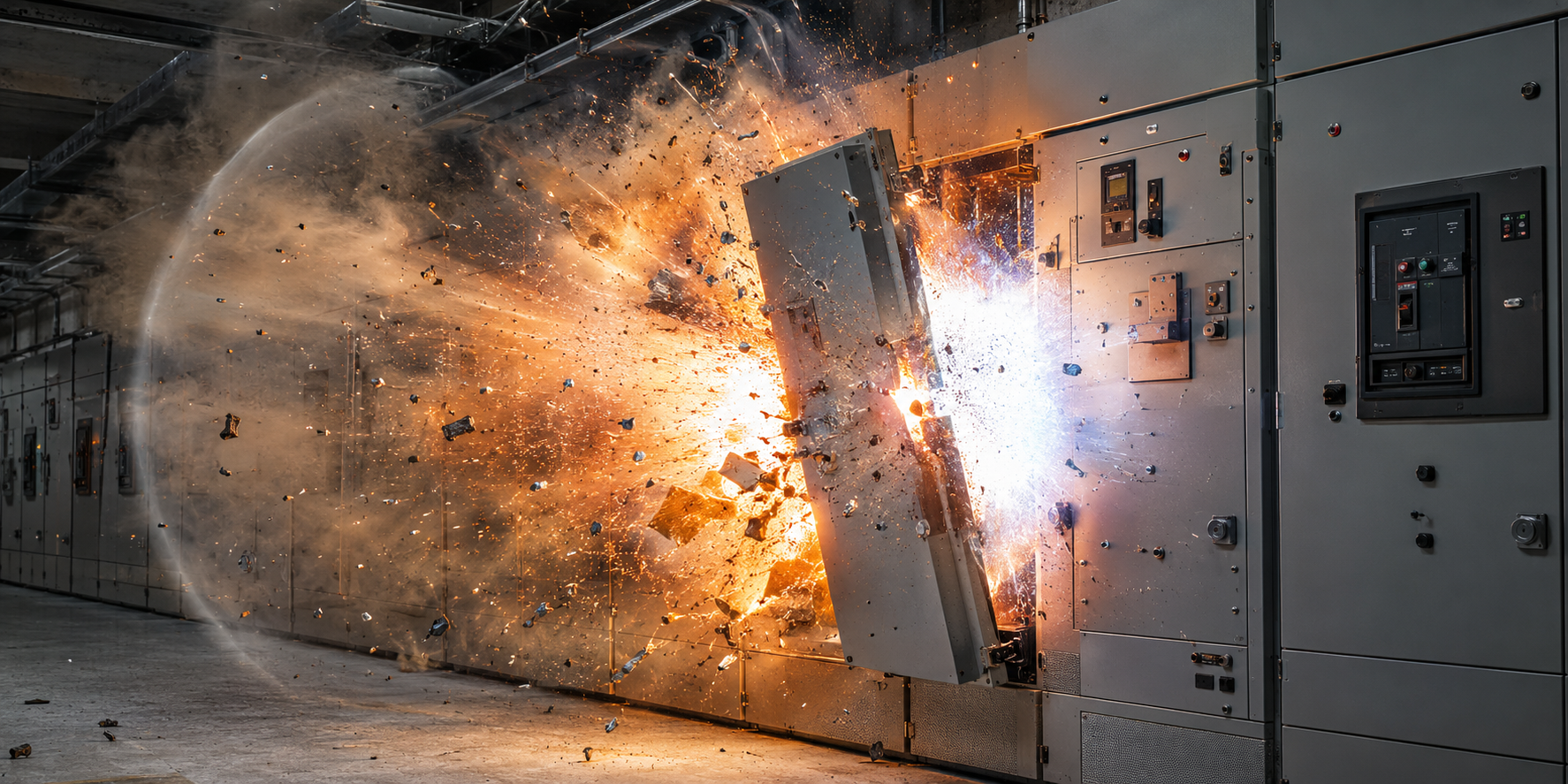
An electrical fault can create an arc flash, releasing intense thermal energy, molten metal, pressure and hot gases.
In the US, NFPA 70E – Standard for Electrical Safety in the Workplace provides a widely recognized framework for controlling shock and arc-flash hazards.
NFPA 70E supports employers in areas including:
- establishing an electrically safe work condition;
- electrical risk assessment;
- shock protection;
- arc-flash risk assessment;
- safe work practices;
- energized electrical work;
- PPE selection; and
- employee training.
Where detailed arc-flash calculations are needed, IEEE 1584 provides recognized methods for calculating incident energy and arc-flash boundaries for applicable electrical systems.
PPE is important, but it should not be treated as the primary safety measure.
The preferred approach is always to eliminate or reduce the electrical hazard wherever reasonably achievable.
Electrical Safety Should Be a Management System
Electrical safety cannot be achieved through training alone.
A comprehensive Electrical Safety Management System should combine:
- Electrical Safety Rules;
- safe isolation and LOTO procedures;
- defined roles and responsibilities;
- authorization levels;
- competency assessment;
- arc-flash and shock risk assessment;
- switching procedures;
- permit systems;
- PPE requirements;
- test equipment controls;
- periodic audit; and
- refresher training.
This creates a consistent system that does not rely solely on individual judgement.
How Avonside Inc Can Help
Avonside Inc provides electrical safety training, high-voltage safety training and electrical safety consultancy for organizations operating complex or hazardous electrical systems.
Our services can include:
- OSHA-aligned electrical safety training;
- NFPA 70E training;
- Qualified Person training;
- Lockout/Tagout training;
- high-voltage safety training;
- Electrical Safety Rules;
- Electrical Safety Management Systems;
- Authorized Person and Senior Authorized Person programs;
- electric vehicle and battery safety training;
- arc-flash awareness;
- competency assessment; and
- electrical safety audits.
Our objective is simple:
To ensure electrical systems are properly controlled and that the people working on or around them have the knowledge, competence, authority and safeguards required to work safely.
Electrical safety is not achieved by simply telling employees to be careful.
It is achieved through effective system control, clear responsibility and competent people.
For more information about Avonside Inc electrical safety training and consultancy services, contact our team at avonside.us.